October 05, 2026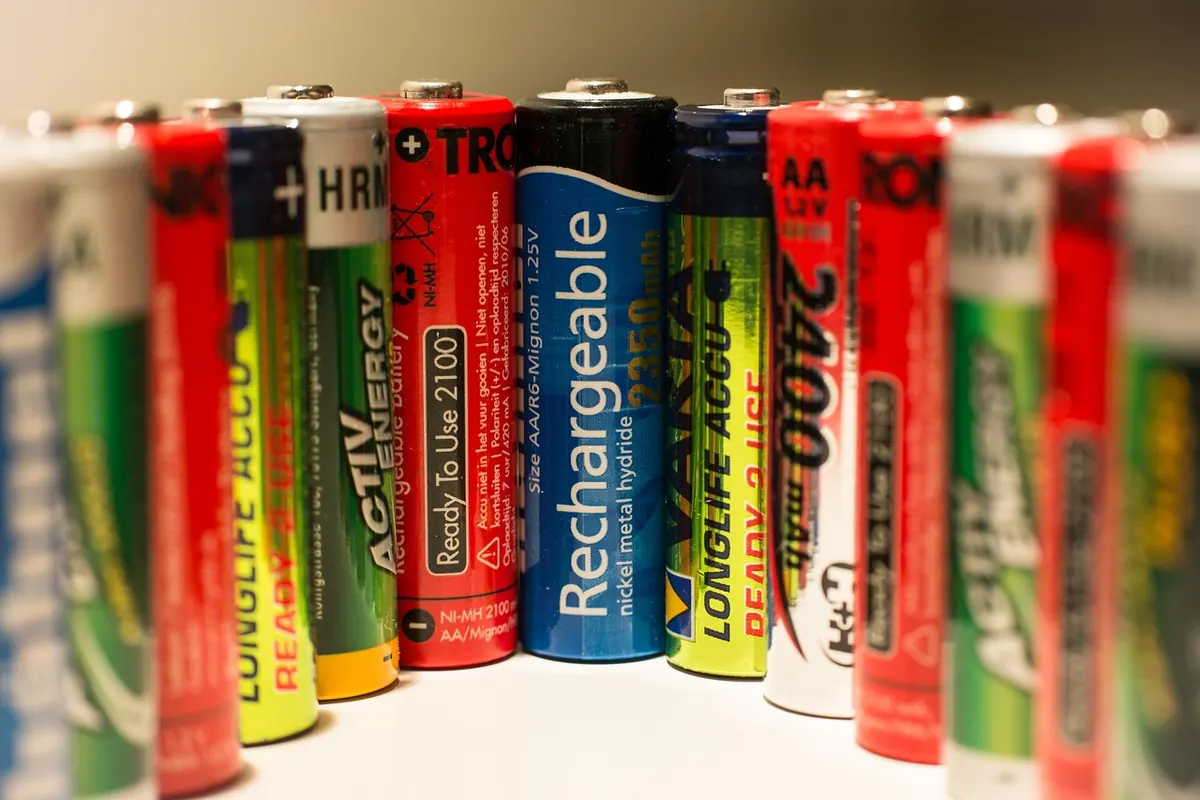
Cobalt is usually the most valuable metal in a lithium-ion battery, and it is also one of the easiest to lose. It vanishes into baghouse dust nobody weighs, into a mixed black mass that no refiner wants, or into slag at the smelter. None of those losses announce themselves. They show up months later as a recovery figure that does not match the feedstock you paid for.
A checklist will not rescue a badly designed process, but it will close the quiet gaps. Here is what to work through, from the moment a pack arrives at the gate to the assay certificate on the finished cobalt product.
Characterise the feedstock before you touch it
Cobalt recovery starts with knowing what you have. Chemistry decides everything downstream. LCO, NCA and NMC packs carry recoverable cobalt; LFP and LMO chemistries carry essentially none. If an LFP pack ends up in an NMC stream, you have added mass, diluted the cobalt grade and made the whole batch less economic to process.
So segregate by chemistry at the point of collection wherever possible, and label every pack or module with what is known about it. Where labels are missing, keep a documented route for identification rather than guessing. Record state of charge, visible damage, swelling and any electrolyte residue, and put damaged packs in a quarantined area with appropriate fire precautions. Pack-level data — chemistry code, nominal capacity, cell format — is worth chasing from the original manufacturer or the last owner.
Pre-treatment sets your ceiling
No leaching circuit can recover cobalt that was already lost in pre-treatment. Work through the mechanical stages with that in mind:
- Discharge packs to a low, safe state of charge before any mechanical opening. This reduces thermal runaway risk during shredding and handling.
- Remove the battery management system, wiring, connectors, casings and cooling hardware. These are not waste — they are contaminants if they reach the black mass.
- Deal with the electrolyte. Lithium hexafluorophosphate reacts with moisture to form hydrogen fluoride, so keep the process dry, ventilate and scrub off-gas, and brief operators on the hazards. Some plants extract or evaporate electrolyte before shredding; others shred under an inert atmosphere.
- Separate copper and aluminium foils, plastics and separator from the cathode powder using sieving, density and magnetic separation.
- Capture the dust. Baghouse and cyclone fines are often richer in cobalt than the coarse black mass. Weigh them, sample them and feed them back into the process rather than treating them as waste.
The cobalt recovery checklist
Use this as a working list for each batch, and keep the completed version with the batch record.
- Confirm the chemistry mix of the batch and record the proportion of cobalt-bearing material.
- Weigh every input stream — packs in, components out, dust collected, water added.
- Confirm discharge level and inspect for damaged or leaking cells.
- Shred and separate with dust extraction running and filters in good condition.
- Homogenise and split the black mass properly before sampling. Black mass is heterogeneous; a single scoop from the top of a drum tells you very little.
- Assay the feed for cobalt, nickel, manganese, lithium, copper and aluminium, and record the method used.
- Choose the recovery route deliberately — see below — and record why.
- Run leaching with controlled acid addition, temperature, time and reductant dose. Sulphuric acid with a reductant is a common approach for dissolving cobalt from cathode powder.
- Purify the leachate, typically through solvent extraction or selective precipitation, to separate cobalt from nickel, manganese and copper.
- Recover cobalt as a sulphate, hydroxide or carbonate, depending on what your offtaker wants.
- Assay the final product and the residue, and calculate recovery as cobalt in product divided by cobalt in feed.
- File the mass balance, assays, batch number and any deviations. If a number looks wrong, investigate it now rather than at year end.
Choose the route that suits your feedstock
Hydrometallurgical processing generally gives the highest cobalt recovery from clean, well-sorted black mass, because cobalt is taken into solution and then selectively precipitated. Pyrometallurgical smelting handles mixed and contaminated feedstock well and is forgiving of impurities, but cobalt reports to an alloy or slag and recovery depends heavily on the downstream refinery. Direct recycling, where cathode material is regenerated rather than dissolved, can be very efficient, but it demands a consistent, single-chemistry feedstock and tight quality control.
Many plants now combine routes: pre-sort aggressively, send the good NMC and LCO fractions to hydro, and let the smelter take the awkward material. There is no single correct answer, only the one that matches your feedstock and your offtake agreements.
Measure it, or you are guessing
Recovery claims are only as good as the sampling behind them. Insist on proper riffling or rotary splitting of black mass, use accredited assay methods, and run duplicate samples regularly. Track recovery per batch and per chemistry, not just as a monthly average, so a drifting loss is visible before it becomes a habit.
What manufacturers can do upstream
Recyclers can only work with the information and hardware they receive. Manufacturers can make cobalt recovery markedly easier by labelling packs with chemistry and cell format, publishing disassembly information, designing modules that come apart without destructive adhesives, and taking back end-of-life packs through a documented channel. Data matters as much as design — a recycler who knows what is inside a pack can sort it correctly on arrival instead of paying to find out later.
Keep in mind that waste battery handling, transport and recycling are regulated activities, and requirements differ by jurisdiction. Check the current rules that apply to your site and take professional advice where compliance or safety is unclear.
Make the checklist routine
The plants that recover the most cobalt are rarely the ones with the most exotic chemistry. They are the ones that weigh everything, sort properly at the gate, keep their filters clean and refuse to let mixed chemistry sneak into a batch. Start with the intake log and the mass balance — those two habits alone will tell you where your cobalt is going. Then work backwards through pre-treatment, because that is where most of it quietly leaves.
Photo: Didgeman / Pixabay