September 11, 2026
Ask a battery engineer whether cobalt or nickel wins in an electric vehicle and you will usually get a shrug, followed by a question: at what nickel ratio? The two metals are rarely in direct competition. They sit side by side in the same layered oxide cathode, doing different jobs, and the chemistry that actually moves a car is a set of trade-offs between them — or a decision to use neither.
That matters whether you are specifying cells for a pack, comparing two EVs on a dealer forecourt, or trying to judge which second-hand model will still hold usable range in a decade.
Cobalt and nickel are partners, not rivals
In a nickel-rich cathode, nickel does the work. It is the nickel that can be oxidised and reduced to shuttle lithium in and out of the structure during charge and discharge. Cobalt plays the structural role: it sits in the layered lattice and helps keep it from collapsing or mixing cations as lithium leaves. Strip it out entirely and high-nickel cathodes lose capacity faster and tolerate fast charging badly.
So the real question is not cobalt or nickel, but how much of each. When you see NMC 111, 523, 622 or 811, those digits describe the nickel, manganese and cobalt ratios. Move from 111 to 811 and you trade cobalt for nickel, gaining capacity and cutting material cost — at the expense of stability, which then has to be recovered through coatings, dopants and stricter battery management.
Energy density: nickel does the heavy lifting
Nickel content sets the ceiling on how much lithium you can pull out of the cathode, and therefore how much energy you can store per kilogram of cell. Higher nickel generally means better gravimetric energy density, which is why high-nickel NMC and NCA dominate long-range models, and why LFP — which contains no nickel or cobalt at all — gives up density in return for cost and durability.
Cobalt can deliver high voltage and density too; lithium cobalt oxide, the chemistry in many consumer cells, is proof of that. It is also the most expensive and least thermally stable of the common cathode materials. In an EV cathode, cobalt is a supporting actor, not the lead.
The range you actually get
Cathode density is only part of the equation. A car with a high-nickel pack, mediocre thermal management and a heavy, unaerodynamic body can be beaten on real range by a slightly less dense pack in a more efficient vehicle. Charging matters just as much on a long journey: a curve that holds high power up to 60% is worth more than a headline peak figure that collapses after two minutes.
Cost: the cobalt premium and the nickel squeeze
Cobalt trades in a thin, volatile market with concentrated supply, and its price can move sharply in either direction over a single contract cycle. Nickel is generally cheaper per tonne, but battery-grade Class 1 nickel is a narrower product than the nickel used in stainless steel, and its price has been volatile too as new processing capacity has come online.
What actually matters is cost per usable kilowatt-hour, not cost per tonne of metal. Several levers shift that number:
- Nickel ratio. More nickel usually lowers cost per kWh, provided the cell hits its performance targets.
- Cobalt intensity. Every percentage point removed cuts exposure to the most volatile input.
- Manufacturing yield. High-nickel powders are fussy about moisture and air. Scrap rates can quietly eat the savings.
- Recycled content. Recovered nickel and cobalt increasingly count towards regulatory targets and hedge price swings.
- Contract structure. Long-term offtakes and hedging often matter more over a vehicle programme than any single day's spot price.
Safety and longevity: where high-nickel gets twitchy
Thermal stability is the trade-off nobody enjoys discussing. High-nickel cathodes release oxygen at lower temperatures, which can feed a thermal runaway once a cell is hot enough. That is why they arrive with protective coatings, dopants, tougher separators and conservative limits in the battery management system. Cobalt does not rescue you here: lithium cobalt oxide is among the least thermally stable common cathodes.
LFP sits at the other end of the spectrum. It is harder to push into runaway, typically cycles for more cycles before noticeable fade, and tolerates being charged to full. Its weaknesses are lower energy density and weaker cold-weather performance, though that cold-weather gap has narrowed with better pack heating.
Chemistry sets the boundaries. Battery management, thermal design and charging habits decide where inside those boundaries a pack actually lives.
Supply chain: risk moves, it does not disappear
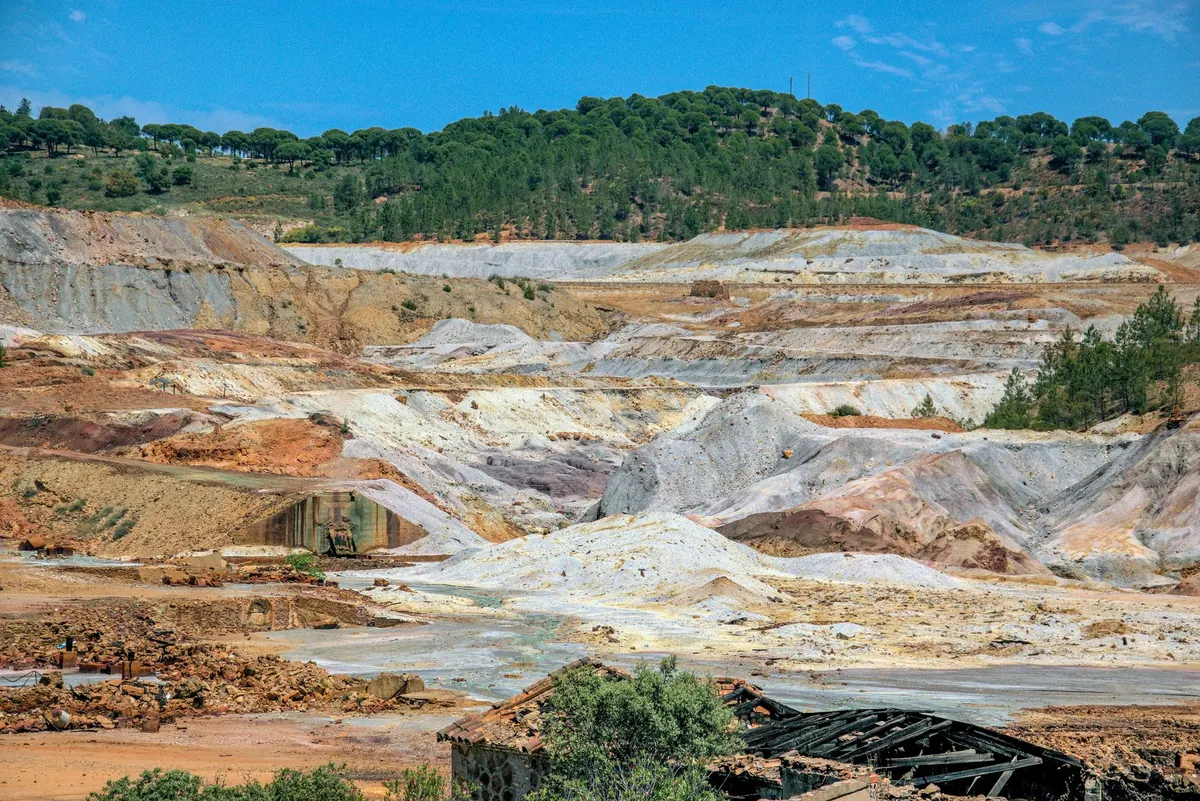
Cobalt supply is heavily concentrated in one country and refining is concentrated in another, with artisanal mining raising labour and due-diligence questions that manufacturers now have to answer publicly. Battery-grade nickel has its own geography: much of the recent supply growth has come from Indonesia, including processing routes that carry questions about tailings management and emissions.
This is the point often missed in the cobalt-versus-nickel argument. Cutting cobalt shifts concentration risk towards nickel rather than removing it. Battery passports and recycled-content rules in Europe push in the same direction: know where your metals came from, and be able to prove it.
What this means for range in the real world
For a buyer, the practical differences show up in daily use rather than on a spec sheet. A few things worth checking before you commit:
- Read the DC charging curve, not the peak kW. Sustained power above 50% state of charge is what shortens a journey.
- Compare usable capacity with gross. Buffers protect the pack, but you only drive the usable part.
- Ask about cold-weather behaviour. Preconditioning helps both chemistries; LFP is more affected by low temperatures.
- Follow the maker's charging guidance. Many high-nickel packs prefer a daily ceiling around 80%, while some LFP packs want an occasional full charge to keep the management system calibrated.
- Use the warranty as a signal. Retention guarantees and mileage caps hint at what the manufacturer expects the pack to do over time.
How to choose
Match the chemistry to the duty cycle. City cars, fixed-route vans and fleets that return to base every night are well served by LFP: cheaper, durable, and rarely stretched on range. Long-distance family cars, performance models and cold-climate fleets usually justify high-nickel NMC or NCA, where the extra density translates into fewer charging stops on the days that matter.
Everything in between is a judgement about how much you value range on the worst day of the year against cost per kilowatt-hour across the life of the vehicle. If a supplier quotes only "NMC", ask for the ratio. An 811 pack and a 523 pack behave differently under fast charging, in winter and at resale. Chemistry is not the whole answer, but it sets the terms for every other decision you make about the pack.
Photo: Fotorech / Pixabay